
Have you ever experienced that tight, uncomfortable feeling of cracked lips? It’s more than just a minor inconvenience; dry, chapped lips can be painful, distracting, and often undermine your confidence. Our lips are constantly exposed to environmental stresses—from harsh winter winds to dry indoor air—that strip away their natural moisture. The skin on our lips is uniquely thin and lacks the sebaceous (oil) glands found elsewhere on the face, making it particularly vulnerable to dehydration and damage.
This common problem affects everyone, regardless of age or gender, and it’s a clear signal that your body needs targeted care. The great news? Healing those painful cracks and restoring a healthy, supple glow is entirely achievable with the right knowledge and consistent routine. This article will break down the primary causes of chapped lips and provide you with practical, science-backed strategies to maintain soft, healthy lips all year round.
Why Your Lips Need Specialized Protection
To effectively treat dryness, we must understand the fundamental difference in lip anatomy. The outer layer of the skin (stratum corneum) on the lips is significantly thinner, often containing fewer layers of cells compared to facial skin [2]. This compromises the protective barrier function and results in faster transepidermal water loss (TEWL). When TEWL is high, the lips quickly become dehydrated, leading to the flaking, peeling, and cracking often referred to as cheilitis [3].
Common Causes of Persistent Lip Dryness
Identifying the triggers is crucial for long-term relief:
- Environmental Stressors: Exposure to sun, wind, and low humidity environments are primary drivers of dehydration in the delicate lip skin
- Physiological Habits: Habitual lip licking, while seeming helpful, actually speeds up the evaporation process, worsening the dryness and leading to a continuous cycle of chapping.
- Internal Dehydration: Inadequate water intake is a systemic cause of dry skin, with the lips often being one of the first and most visible areas affected.
- Irritant Ingredients: Certain ingredients in conventional lip products, such as specific flavorings, fragrances, and some alcohols, can cause irritation and contact dermatitis, further exacerbating chapping.
Essential Strategies for Healing and Deep Lip Repair
Tackling dry lips requires both internal maintenance and an external defense strategy. By incorporating these evidence-based practices, you can effectively stop and reverse the chapping cycle.
1. Optimize Internal Hydration and Nutrition
Focus on maintaining adequate water intake throughout the day. Additionally, research suggests that deficiencies in certain vitamins, particularly B vitamins and iron, can manifest as persistent chapping or angular cheilitis (cracks at the corners of the mouth) [6]. Ensuring a balanced diet supports the skin’s overall repair mechanisms.
2. Prioritize Barrier Protection and Moisture Lock-in
The most effective external solution involves using products that serve two functions: providing rich emollients to repair the skin and creating an occlusive layer to prevent moisture loss. This is where a quality Lip Balm becomes non-negotiable.
Look for a formula that focuses on high-quality natural oils and butters, as these are rich in the essential fatty acids and vitamins needed to nourish and repair damaged skin.
Ingredients that Deliver Deeply Nourishing Care
For deep healing, a lip product should include a balanced blend of these components:
- Occlusives (Barrier Creators):
- Beeswax: A natural occlusive that forms a protective, breathable film on the lip surface. This film effectively reduces TEWL, locking in moisture and shielding against environmental damage.
- Example: While often seen as a secondary element, a small, targeted inclusion of Petroleum Jelly, when combined with natural ingredients, can enhance this barrier protection, providing a robust seal against moisture loss.
- Emollients/Humectants (Moisturizers and Softeners):
- Shea Butter & Almond Oil: These organic ingredients are powerhouses of Vitamin E and essential fatty acids. They penetrate deeply into the skin layers to replenish lipids, soothe irritation, and promote the repair of cracked tissue .
- Vitamin E & Glycerin: Vitamin E acts as an antioxidant and skin conditioner, while Glycerin functions as a humectant, drawing moisture into the superficial layer of the skin, resulting in a softer and smoother lip surface .
Using a formula like the Lip Balm by Zee Naturals, which harnesses this blend of Beeswax, Shea Butter, Almond Oil, Vitamin E, and Glycerin, ensures the lips receive intense, long-lasting moisture. The formula doesn’t merely coat the lips; it works actively to heal cracks and restore a healthy, supple appearance.
Your Daily Lip Care Ritual for Lasting Softness
Consistency is the secret to moving from dry to dreamy lips. Integrate these steps into your daily routine, especially for those aged 14 and above who face varying environmental exposures.
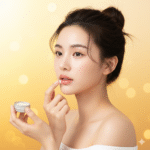
- Protective Application: Apply your chosen Lip Balm first thing in the morning and immediately before bed. The nighttime application is critical, allowing deep repair work to occur undisturbed.
- Pre-Exposure Shield: Always apply the balm before venturing into harsh weather (wind, cold, sun).
- No Licking Rule: If your lips feel dry, reapply your barrier product immediately instead of licking them.
- Consider UV Protection: Since sun exposure is a known cause of chronic lip dryness, using a lip product with SPF during the day is highly recommended to prevent photodamage and chapping .
By consciously choosing products that prioritize deep moisture, healing compounds, and long-lasting barrier protection, you provide the solution your lips need to move beyond discomfort and achieve a continuous, healthy glow.
Conclusion
Achieving soft, supple lips that feel good and look healthy is entirely within your control. The journey requires a foundational understanding of lip vulnerability and a commitment to protecting that delicate barrier. By prioritizing internal hydration, eliminating counterproductive habits, and, most importantly, selecting a high-quality Lip Balm that provides both nourishment and robust occlusion—like formulas rich in Shea Butter, Almond Oil, and Beeswax—you are giving your lips the powerful tools they need to heal. This consistent care routine is the proven pathway to solving persistent dryness and restoring natural comfort and glow.